How to Choose Flowers for a Japanese Funeral
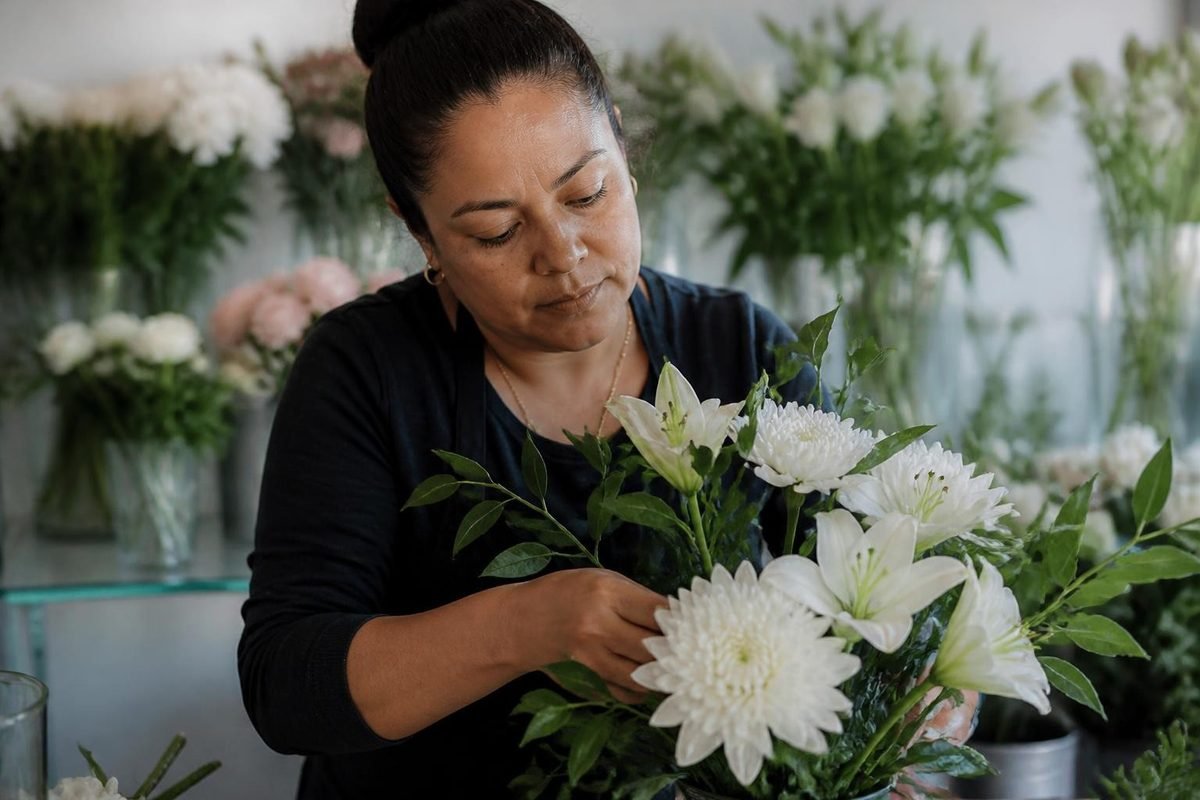
Choose a modest arrangement of white or pale flowers, and check the family's wishes before ordering. White chrysanthemums are a familiar choice, but the right flowers and delivery arrangements can vary with the family's traditions and the funeral setting.
Start with colour and meaning
White is a common colour for mourning flowers in Japan. It gives an arrangement a quiet, respectful appearance and is a useful starting point if you do not know the family's preferences. Pale yellow or other soft colours may also be suitable, depending on the circumstances.
White chrysanthemums are often associated with funerals and remembrance. White lilies are another option. You can ask a florist to use flowers available locally rather than insisting on a particular stem. A simple arrangement can be just as thoughtful as a large one.
Bright red and vivid mixed colours may feel out of place at a sombre service, so avoid them unless the family has requested something more colourful. This is one occasion when the flowers do not need to compete for attention.
Check before you send
Japanese funeral practices are not all the same. They can reflect Buddhist, Shinto, Christian or other traditions, as well as the preferences of an individual family. Some families may welcome flowers, while others may ask for no gifts or have specific arrangements in place.
If you have received an invitation or notice, read it first. Then contact the funeral organiser or a member of the family if you still have questions. The funeral venue may have rules about delivery times, the size of arrangements and where flowers can be displayed.
- Read the funeral notice for any request about flowers or donations.
- Ask the organiser if flowers are welcome and where they should be delivered.
- Choose a restrained arrangement, such as white chrysanthemums or lilies.
- Give the florist the venue details, service date and any instructions you have been given.
- Add a brief sympathy message and your name so the family knows who sent it.
Keep the tribute simple
A florist can prepare an arrangement for the service or a smaller tribute for the family, depending on what is appropriate. Tell the florist that the flowers are for a Japanese funeral and share any guidance from the organiser. That gives them a useful starting point without assuming every family follows the same customs.
For a card, a few sincere words are enough. You might write, With deepest sympathy to you and your family, followed by your name. If you knew the person who died, a short personal memory can also be comforting.
Common questions
Are white chrysanthemums always required?
No. They are a familiar funeral flower, but they are not a requirement for every service. Follow the family's wishes and ask the florist about suitable alternatives.
Can I send flowers to the family's home?
Possibly, but check first. The family may prefer flowers at the venue, at a later date or not at all.
What if I cannot find out the family's preference?
Ask the funeral venue or organiser for guidance. If no guidance is available, a simple sympathy card is a considerate alternative.
Have a look at source